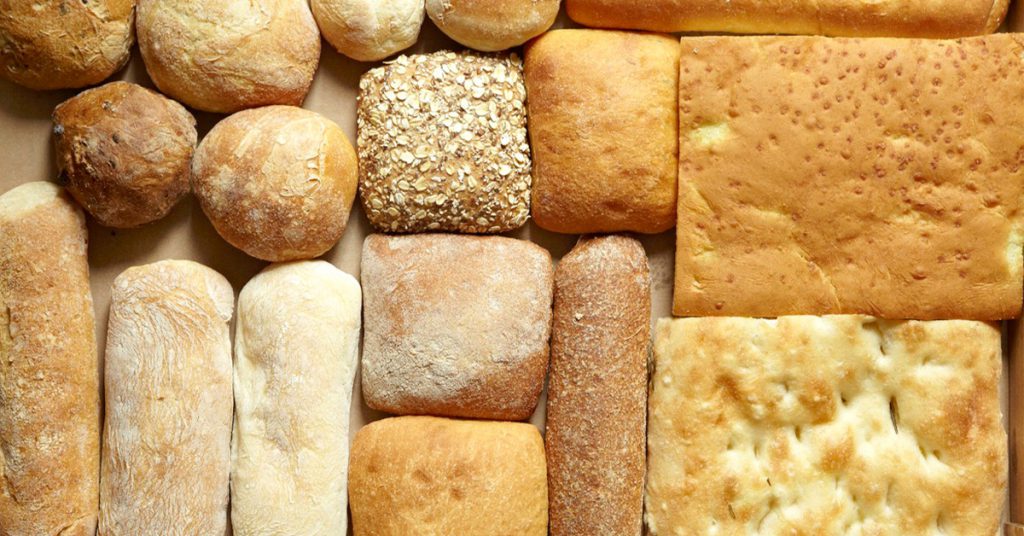
Gluten is the general name for certain types of proteins found in wheat, barley and rye and their derivatives. Gluten is commonly found in breads, pastas and baked goods, but may also be present in products such as soy sauce, licorice, beer, processed meats, cosmetics and medications.
GLUTEN INTOLERANCE, CELIAC DISEASE AND FOOD ALLERGIES
Many people suffer discomfort after eating foods that contain gluten. Sometimes this discomfort is caused by a gluten intolerance, which means the body has difficulty breaking down gluten. Sometimes the discomfort is a symptom of Celiac Disease, a serious autoimmune disease that is aggravated by gluten. From case to case gluten intolerance can range from mild to quite severe. An intolerance may come and go, but Celiac Disease is a chronic condition with no current cure.
Gluten is not recognized as a food allergen, meaning it has not been known to cause the rapid, life threatening immune response called anaphylaxis that some people experience when exposed to peanuts, fish, or other foods considered allergens.
HOW DO I AVOID FOODS THAT CONTAIN GLUTEN?
If you suspect that you or a loved one experience discomfort after eating specific foods, contact a healthcare professional. It’s important to know whether the discomfort is a food intolerance, Celiac Disease, or a food allergy. Your doctor can provide a diagnosis and in some cases they may prescribe a gluten free diet.
The following ingredients are not allowed on a gluten-free diet: wheat (durum, farina, graham, kamut, semolina, spelt), rye, barley and triticale (a cross between wheat and rye). Malt flavoring and malt vinegar may be derived from barley and should also be avoided.
Some acceptable gluten-free grains and flours are rice, corn, potato, tapioca, beans, garfava (chickpea and fava bean blend), sorghum, quinoa, millet, buckwheat, arrowroot, amaranth, and teff.
HOW DOES ENJOY LIFE MAKE GLUTEN-FREE AND WHEAT-FREE FOODS?
Wheat and other glutinous grains are commonly found in a wide variety of everyday foods, ranging from breads and pastas to sauces, snacks, and even beverages. Due to their widespread use in food processing and manufacturing, these grains frequently come into contact with non-glutinous foods through shared equipment, surfaces, or packaging facilities. As a result, even if a product does not list wheat or gluten-containing grains as ingredients, it may still contain trace amounts due to cross-contamination. For individuals with celiac disease, gluten sensitivity, or those following a strict gluten-free lifestyle, these minute traces can be enough to trigger uncomfortable and potentially harmful reactions.